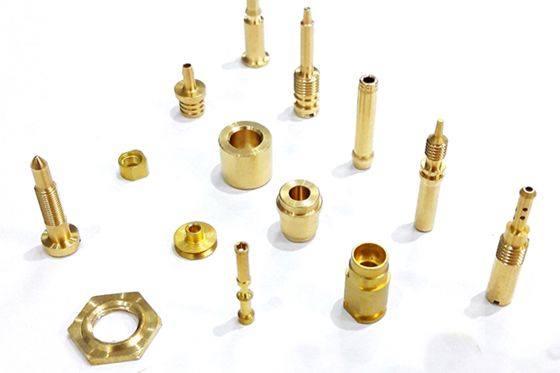
As mentioned earlier, brass majorly contains copper and zinc. It could also contain other metals such as silicon, iron, lead, or magnesium that bestow it with additional properties. However, the catch about brass is that the copper and zinc content can be adjusted to fit any intended application. These varying proportions of brass are what really produce the various grades of brass used in machining custom brass parts.
Let’s review these properties and how they affect brass’s suitability for the CNC machining process:
1. Highly Machinable
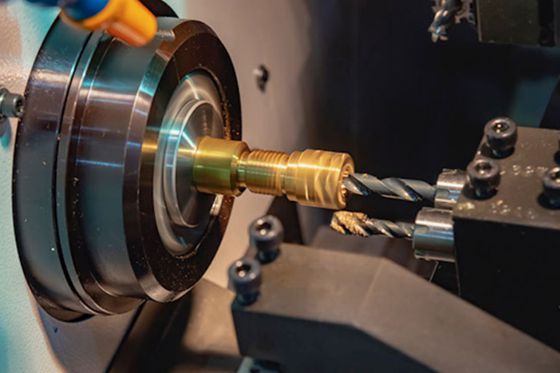
Brass is one of the easiest metals to machine. This property is due to the presence of lead in its composition. With machining properties like high feed rates, good ductility, and flexibility, machining brass is an easy task for most machinists. The machinability of brass is the major reason brass manufacturing using the CNC process is quite common.2. Corrosion Resistance
One of the properties which make brass a suitable choice for machining is its corrosion resistance. This property is one of the reasons why tools made out of brass have a long tool life. Also, it makes parts made out of the material suitable for use in liquid environments. However, its corrosion resistance level depends on the number of constituents like iron and aluminum.3. Malleability
Brass is extremely malleable due to its copper content. However, the metal is even more malleable than copper. Its high malleability makes it an easy choice for machining projects. This is because the machinists can easily manipulate the metal into different shapes. This is why custom brass machined parts.4. Strength and Hardness
Brass is also renowned for its strength despite its easy machinability. While it is not as strong as steel, it is also quite durable.
5. Aesthetic Appeal
One of the major factors considered in machining is the aesthetic appeal of the finished part. With its bright golden color, brass definitely has the look to go with its other properties. Its beautiful natural finish means brass machined parts can be used without external finishes.Choosing brass for a CNC machining project might be a little trickier than it seems. Since there are various grades of metal, you need to consider which of these grades’ characteristics are a fit for your project. So, it would help if you made a checklist of factors to consider before settling on a particular grade. We’ve shortlisted some factors you can work with below:
Machining Time Required for the Part
The lead times for various projects differ, which is a huge factor in determining the brass grade to use. In CNC machining brass, the C360 alloy is the best variant in terms of machinability. So, if you need a custom brass part urgently, the C360 is an overwhelming material favorite. However, if you require other properties apart from machinability, you could assess other grades like the C230 or the C220.Design for Manufacturability
DfM principles are vital in any machining process. Although brass grades are quite easy to machine, you must ensure your parts design is not too complex for machining. Also, it is advisable to minimize the number of machine setups needed. This helps to reduce the machining cost for the project.